humas@unp.ac.id
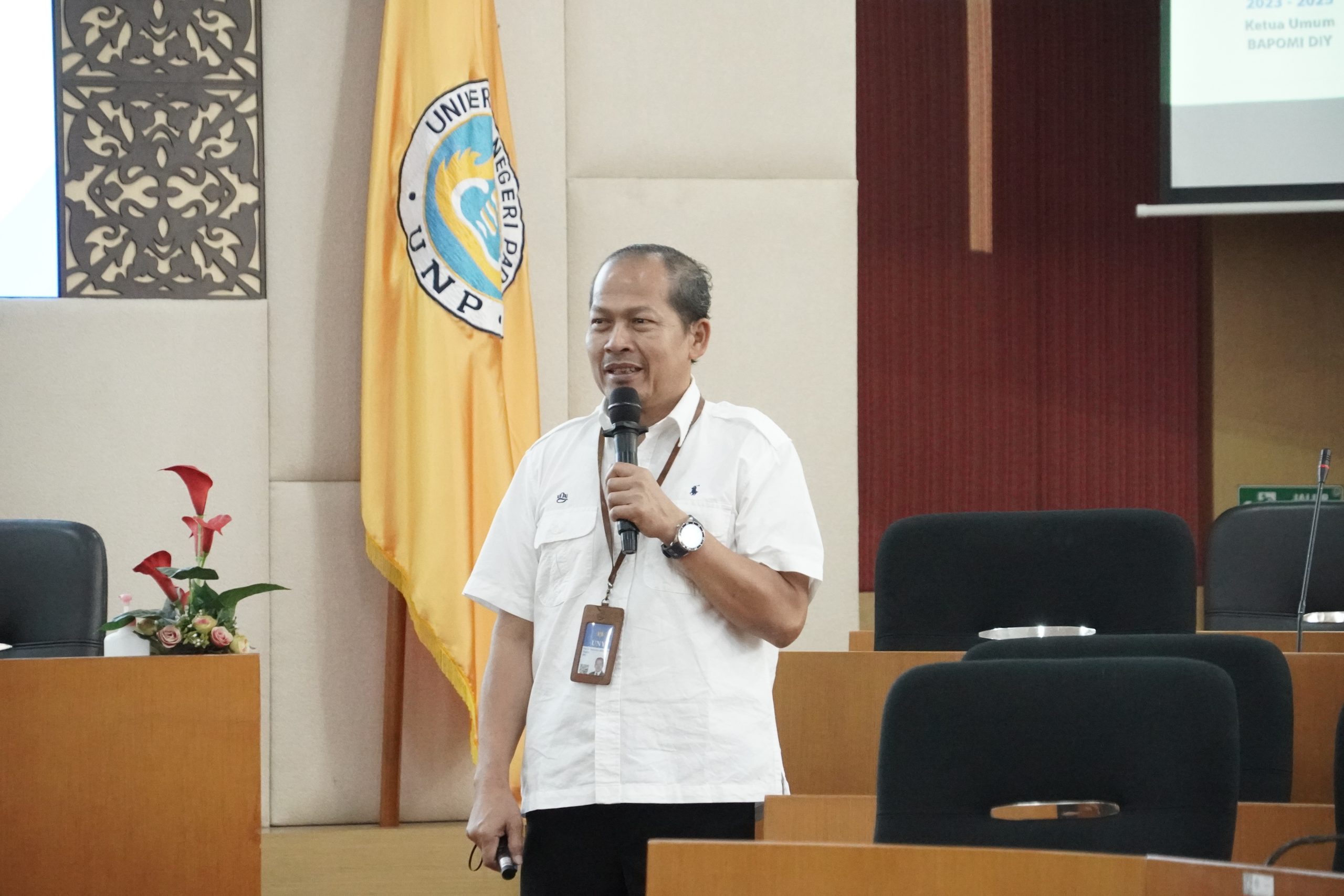

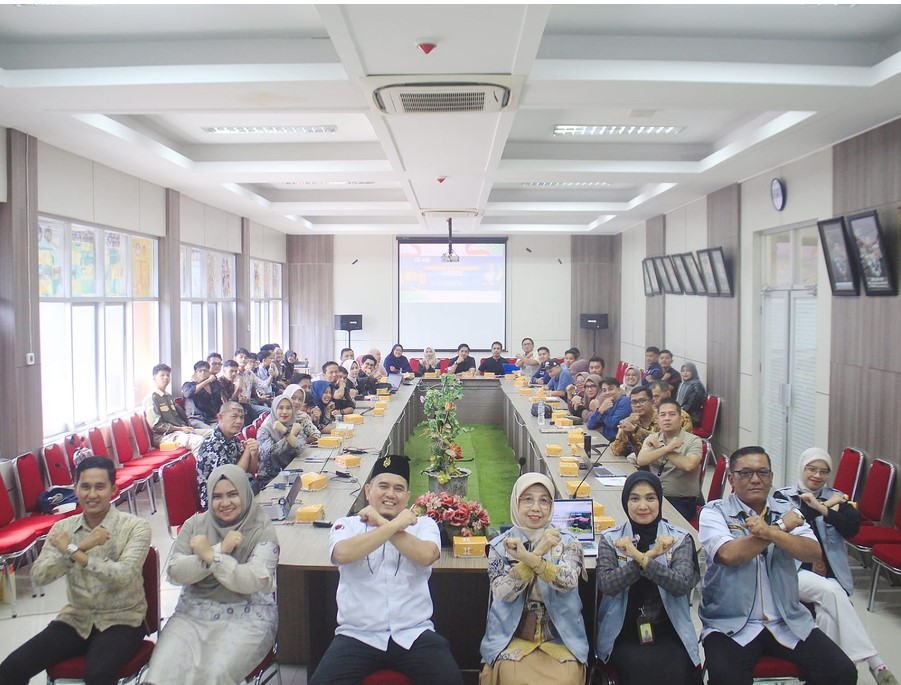
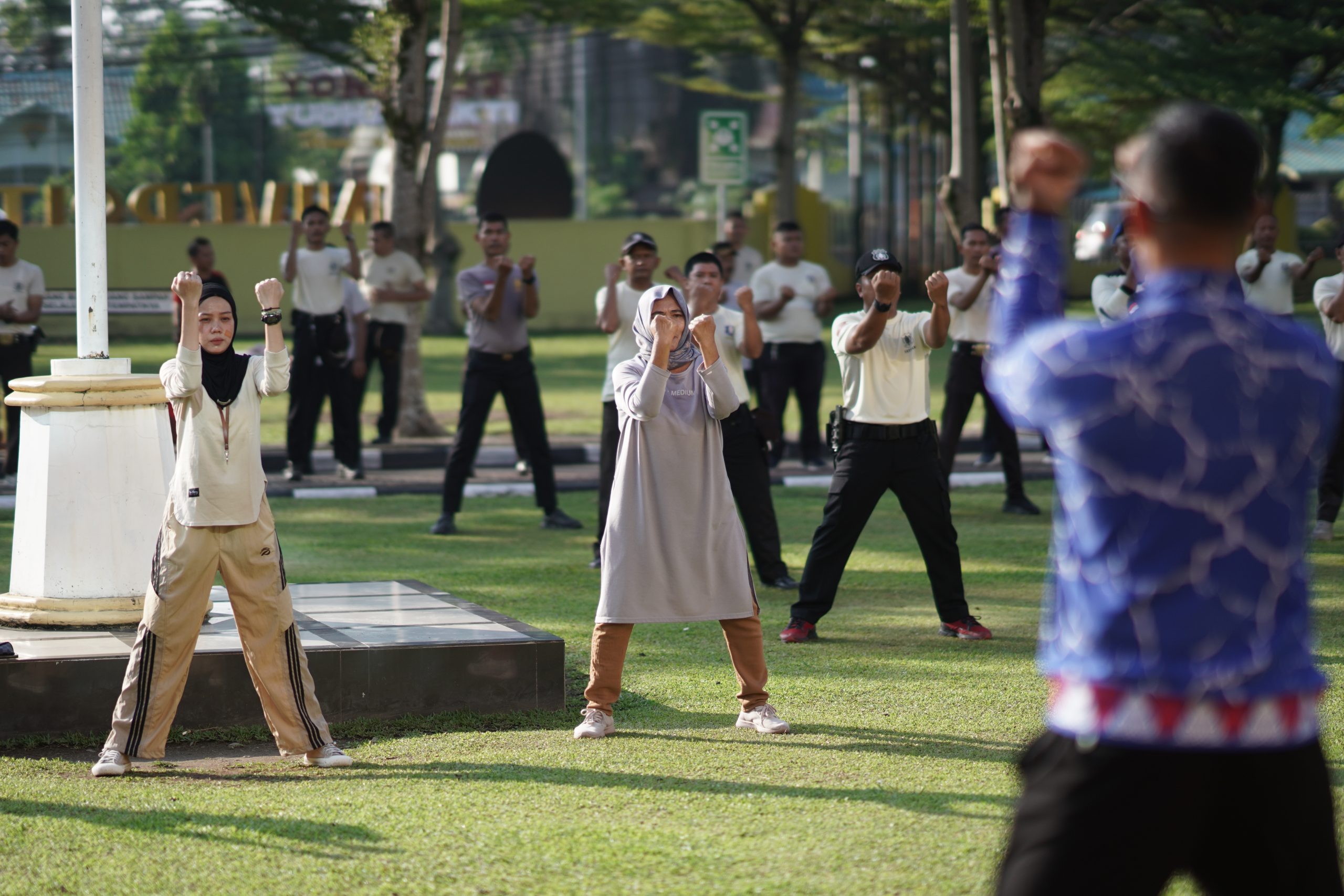
Padang, July 16, 2026 – Universitas Negeri Padang (UNP) has intensified its efforts to promote a safe and inclusive campus environment through the PPK Task Force Goes to Faculty roadshow, held from July 13–16, 2026. The initiative aims to strengthen awareness and implementation of the Minister of Education, Culture, Research, and Technology Regulation No. 55 of 2024 on the Prevention and Handling of Violence in Higher Education across all academic units, including study programs.
Carrying the theme “Strengthening a Safe Campus Culture as a Pillar of Higher Education Quality,” the program is being conducted in phases across all faculties at UNP. It seeks to enhance the academic community’s understanding of violence prevention and response policies, reinforce the role of faculties in implementing these policies, and foster a safe, inclusive, and supportive academic environment for all members of the University.
To maximize outreach, the UNP PPK Task Force deployed two teams throughout the program. Team 1 was led by Dr. Fatmariza, M.Hum., Chair of the UNP PPK Task Force, while Team 2 was headed by Dr. Muhd. Al Hafizh, S.S., M.A., Head of the Regulation, Socialization, and Education Division. On the first day, the teams visited the Faculty of Social Sciences and the Faculty of Economics and Business.
The second day, Tuesday, July 14, continued with visits to the Faculty of Education and the Faculty of Languages and Arts, where faculty leaders, lecturers, administrative staff, and student organization representatives actively participated in discussions and awareness sessions.
On the third day, Wednesday, July 15, the roadshow reached the Faculty of Psychology and Health, providing an open forum for dialogue on violence prevention, reporting mechanisms, victim support, and institutional responses to cases of violence within higher education.
The first phase concluded on Thursday, July 16, with visits to the Faculty of Sport Sciences and the Faculty of Tourism and Hospitality. Through these visits, the Task Force ensured that the University’s commitment to building a safe campus culture was communicated consistently across academic units.
During each session, participants received comprehensive information on the legal framework, institutional policies, and practical implementation of violence prevention and response measures in higher education. The presentations highlighted the legal foundations of the national policy and emphasized the responsibilities of universities in creating academic environments free from violence.
The Task Force also introduced the key provisions of Ministerial Regulation No. 55 of 2024, explaining the importance of institutionalizing the PPK Task Force and encouraging the active involvement of university leaders, faculty members, staff, and students in implementing preventive measures.
Participants were introduced to the organizational structure of the UNP PPK Task Force, its membership as established by the Rector’s Decree, and its core responsibilities, which include education and awareness campaigns, preventive initiatives, receiving reports, providing assistance to victims, and coordinating case management.
Beyond regulatory aspects, the discussions addressed broader issues related to violence in higher education, including its root causes, various forms of violence, Online Gender-Based Violence (OGBV), and the importance of fostering mutual respect and ethical conduct within academic life.
The Task Force emphasized that implementing violence prevention and response policies is not only essential for protecting members of the university community but also contributes significantly to institutional quality assurance. A safe campus culture supports university accreditation, study program accreditation, Key Performance Indicators (KPIs), institutional risk management, compliance with the National Standards for Higher Education, and the University’s aspiration to become a globally reputable institution.
As part of the accreditation perspective, participants were also introduced to the importance of implementation evidence, including institutional policies, the legal establishment of the Task Force, annual work plans, awareness activities, reporting mechanisms, documentation, and continuous program evaluation.
The program generated enthusiastic participation, with lively discussions and question-and-answer sessions covering reporting procedures, protection for reporters and victims, the role of faculties in supporting the Task Force, and practical strategies for preventing violence within individual academic units.
As a follow-up, the UNP PPK Task Force distributed a range of supporting materials to faculty leaders, including the UNP PPK Task Force Handbook, a PPKPT Pocket Guide, Safe Campus campaign stickers, and educational banners to strengthen awareness and prevention efforts across faculties.
Through the Goes to Faculty program, Universitas Negeri Padang reaffirms that a safe campus is not merely a regulatory requirement but an integral part of quality assurance, good university governance, and sustainable institutional development.
The initiative is expected to further strengthen collaboration between the UNP PPK Task Force and all faculties in creating a safe, inclusive, equitable, and supportive academic environment while advancing Universitas Negeri Padang’s vision of becoming a dignified university with international recognition.
The next phase of the roadshow will continue at the Faculty of Mathematics and Natural Sciences, the Faculty of Engineering, the Faculty of Medicine, the Vocational School, and the Graduate School.
SDGs: SDG 4 – Quality Education, SDG 5 – Gender Equality, SDG 10 – Reduced Inequalities, SDG 16 – Peace, Justice and Strong Institutions, and SDG 17 – Partnerships for the Goals.
Source: UNP PPK Task Force (MH/F).